How to Keep Your Sliding Doors in Top Condition: Tips and Tricks
Preserving sliding doors is important for both functionality and aesthetics. Ongoing attention can ward off typical issues and extend their lifespan. Straightforward actions like cleaning tracks and lubricating rollers can make a significant difference. Despite this, many homeowners disregard these essential practices. Learning the right approaches and knowing when to seek professional help can guarantee sliding doors perform reliably. Discover the important actions to enhance the operation and visual appeal of these critical entryways.
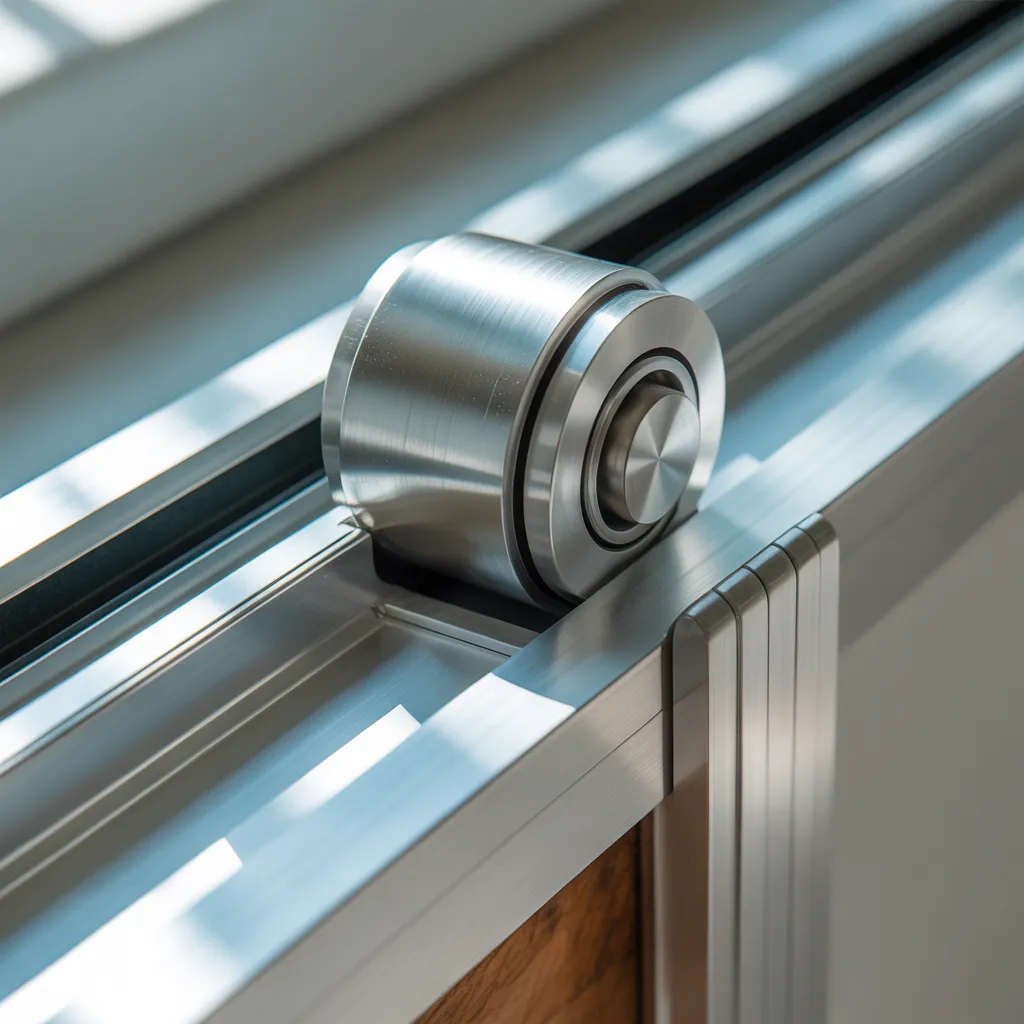
Why Maintaining Your Sliding Doors Matters
Caring for sliding doors is essential for protecting their lifespan and proper operation. Periodic servicing prevents minor issues from escalating into major problems, which can be financially draining and tedious to correct. Thorough servicing boosts the doors' efficiency, ensuring smooth operation and avoiding jamming or improper alignment.
Ignoring regular upkeep may cause gradual degradation, compromising both the visual appeal and safety of the doors. Dust, grime, and debris can build up in the tracks, hindering movement and causing unnecessary strain on the hardware. Moreover, scheduled inspections can uncover developing concerns, such as deteriorating seals or rusting components, allowing for timely repairs.
Ultimately, maintaining sliding doors not only preserves their appearance but also contributes to energy efficiency by ensuring proper sealing against the elements. Through consistent upkeep, homeowners can boost the overall worth and functionality of their sliding doors, ensuring they stay a trusted fixture within their living spaces.
Must-Have Tools for Sliding Door Upkeep
Some important tools can make maintaining sliding doors much simpler. To begin with, a soft cloth or microfiber towel is essential for dusting and cleaning surfaces without causing scratches to the glass. Additionally, a vacuum cleaner equipped with a hose attachment can efficiently clear debris from the track and nearby areas. Using a small brush, such as an old toothbrush, allows you to effectively remove persistent dirt or grime that collects in narrow spaces.
In addition, a spirit level verifies that the door is correctly set, avoiding functional problems. A lubricant specially formulated for sliding doors is equally essential for achieving seamless motion. Finally, a screwdriver kit may be needed for minor tune-ups or adjustments. By keeping these tools available, residents can service their sliding doors with ease, enhancing both functionality and longevity.
Step-by-Step Cleaning Techniques for Sliding Doors
Maintaining sliding doors demands dedicated tools and a structured process to ensure optimal outcomes. This guide details the essential cleaning materials, a methodical approach to thorough cleaning, and upkeep strategies to extend the life of the doors. Mastering these practices will sustain both usability and visual appeal.
Essential Cleaning Supplies Needed
A thorough cleaning routine for sliding doors calls for some important supplies that help make the process smooth and effective. First, a soft microfiber cloth is vital for avoiding scratches while effectively capturing dust and grime. A gentle cleanser or a mixture of vinegar and water serves as a powerful yet safe cleaning solution. Additionally, a small vacuum or a handheld brush helps remove debris from the tracks, preventing buildup. For tougher stains, a non-abrasive sponge can be used. Finally, a narrow, flexible tool, such as an old toothbrush, is ideal for reaching tight spaces and corners. With these supplies on hand, maintaining the appearance and functionality of sliding doors becomes a manageable task.
Step-by-Step Cleaning Process
Once the necessary cleaning supplies have been collected, the subsequent step entails a structured approach to keeping sliding doors clean. To begin, it is best to eliminating loose dirt and debris from the tracks with the help of a soft brush or vacuum. Following this, a gentle cleaning solution combined with warm water can be applied to the glass and frame with a microfiber cloth, taking care that all surfaces are properly wiped. For persistent stains, a gentle glass cleaner may be employed. After cleaning, the surfaces should be rinsed with clean water to avoid residue. To complete the process, drying the glass with a lint-free cloth will avoid streaking. Performing this process on a regular basis will help maintain the clarity and functionality of the sliding doors.
Care Tips for Extended Longevity
Caring for sliding doors requires steady attention to protect their longevity and seamless functionality. Frequent cleaning is necessary; dust, dirt, and debris can collect in the tracks, resulting in operational issues. A straightforward routine includes cleaning out the tracks and wiping them down with a wet cloth. Moreover, lubricating the rollers and tracks with silicone lubricant can minimize sticking and promote smoother movement. Inspecting the door seals for wear or damage is important, as worn seals can lead to energy inefficiency. Moreover, periodically examining the door alignment enables early recognition of alignment issues, preventing more significant problems. To conclude, dealing with chips and scratches immediately can safeguard the door's appearance and improve its longevity. These measures ensure the lasting performance of sliding doors.
Inspecting and Fixing Sliding Door Issues
Examining and repairing sliding door issues is crucial for maintaining functionality and security. Frequent concerns encompass worn-out rollers, misalignment, and sticking tracks, which can often be resolved with fundamental equipment. However, recognizing when a problem requires expert assistance is equally important to secure lasting results.
Prevalent Sliding Door Troubles
Sliding doors can encounter a range of problems that affect their performance, which makes it important to detect and tackle these issues without delay. Typical concerns include misalignment, which often occurs due to wear and tear on the tracks or rollers. This misalignment can cause the door to stick or not close properly. Another frequent problem is debris accumulation in the track, which may interfere with seamless operation. Additionally, weather stripping may deteriorate over time, leading to drafts and reduced energy efficiency. Rust or deterioration on metal elements may also compromise performance. Identifying these problems early allows for timely intervention, keeping the sliding door operating smoothly and safely, ultimately enhancing the overall aesthetic and usability of the space.
Gear for Swift Fixes
Understanding frequent sliding door issues is the first step toward successful repairs. Important tools can significantly streamline the repair process. A screwdriver set is indispensable for tightening or replacing screws, while a utility knife can help clean and replace worn weather stripping. A level ensures that the door is correctly aligned, preventing further issues. For more stubborn problems, a find guide hammer and chisel may be necessary to adjust or remove stuck tracks. Lubricants such as silicone spray are also important for maintaining efficient operation. Keeping a standard toolkit on hand allows homeowners to resolve minor issues promptly, boosting the longevity and functionality of sliding doors. Regular inspections, combined with these tools, can prevent more extensive repairs down the line.
When to Call Professionals
Many homeowners face challenges with their sliding doors that can be difficult to address on their own. When problems such as ongoing misalignment, struggles with opening or closing, or unexpected sounds occur, it may be worth considering professional help. Professionals have the necessary tools and knowledge to diagnose intricate concerns that may not be noticeable to the inexperienced observer, such as structural damage or worn-out rollers. Moreover, if the sliding door has sustained significant damage or the tracks are heavily corroded, professional involvement is critical to ensure safety and functionality. At the end of the day, acknowledging the extent of DIY repairs can save homeowners valuable time and money, promoting enduring satisfaction with their sliding doors.
How Proper Lubrication Ensures Smooth Sliding
Keeping sliding doors functioning smoothly depends on proper lubrication. Proper lubrication minimizes friction between the door and its track, ensuring effortless movement. With continued use, dirt and debris may build up, resulting in stiffness and possible damage. Consistently using an appropriate lubricant—like silicone spray or a light oil—assists in preserving proper functionality.
It is essential to clean the tracks thoroughly before lubrication to clear away any blockages. A properly cleaned surface helps the lubricant function at its best, enhancing the door's glide. Moreover, focus should be directed toward the copyrights and rollers as these components also require lubrication to perform at their best.
Using too much lubricant can attract more dirt, so applying it sparingly is essential. To get the most effective results, a periodic check and treatment every few months can prolong the life of sliding doors, guaranteeing they continue to serve as a practical and attractive element in any household.
Seasonal Care Tips for Optimal Sliding Door Performance
Seasonal changes can significantly influence the functionality of sliding doors, making regular care essential. In winter, homeowners should verify that ice and snow do not accumulate around the sliding door track, as this can obstruct operation. Regularly cleaning the tracks of dirt and debris is vital, particularly in springtime when pollen and dust are abundant.
In the summer months, it is essential to check for any warping that may occur due to heat. Maintaining a consistent environment can mitigate this issue. In addition, humidity levels can affect the door's alignment; employing a dehumidifier could resolve the issue.
In autumn, fallen leaves may block the track, demanding routine cleaning. Examining seals and weather stripping as seasons change may prevent air drafts and moisture penetration. By applying these seasonal upkeep recommendations, homeowners can ensure their sliding doors stay functional and visually appealing all year long.
When to Call a Professional for Repairs
Identifying the indicators that a sliding door requires expert care plays a vital role in protecting its operation and durability. Property owners should remain alert to concerns such as trouble sliding, poor alignment, or unusual sounds. Should the door fail to close completely or display gaps that undermine security or energy efficiency, seeking professional assistance becomes necessary.
Additionally, clear deterioration of the frame, tracks, or rollers might signal more serious underlying issues that require professional repair. A door that regularly derails or comes off its track poses a safety risk, demanding prompt professional action.
Furthermore, persistent issues despite routine maintenance, such as regular lubrication or thorough cleaning, suggest the requirement for a thorough professional diagnosis. Ignoring these signs can lead to severe damage and high repair costs. By addressing problems promptly with skilled assistance, residents can maximize the longevity of their sliding doors and confirm they perform efficiently and safely.

Commonly Asked Questions
How Frequently Should I Clean My Sliding Doors?
Experts recommend cleaning sliding doors a minimum of once per quarter. However, maintenance intervals may need to be adjusted depending on environmental conditions, including dust or pollen accumulation, requiring more consistent care to maintain top-level function and visual appeal.
Can Vinegar Be Used to Clean Sliding Doors?
Yes, vinegar can be used to clean sliding doors. The natural acidity in vinegar is highly effective at eliminating grime and stains. However, it's advisable to dilute vinegar with water to avoid potential damage to certain door materials.
What Kind of Lubricant Works Best for Sliding Doors?
Silicone-based lubricants are excellent for sliding doors, as they reduce friction without attracting dirt. Graphite powder is another option, providing a dry lubricant that prevents rust and corrosion, guaranteeing smooth performance over time.
Are Sliding Doors an Energy-Efficient Option?
Sliding doors are able to be environmentally efficient if properly insulated and fitted with double or triple glazing. Their structural design limits airflow, minimizing heat loss, but performance greatly depends on the installation quality and the materials used.
Am I Able to Install Sliding Doors by Myself?
Certainly, it is possible to install sliding doors themselves, provided they have the essential expertise and equipment. However, precise measurement, proper leveling, and following manufacturer guidelines are critical for ensuring a successful installation and ideal functionality.